
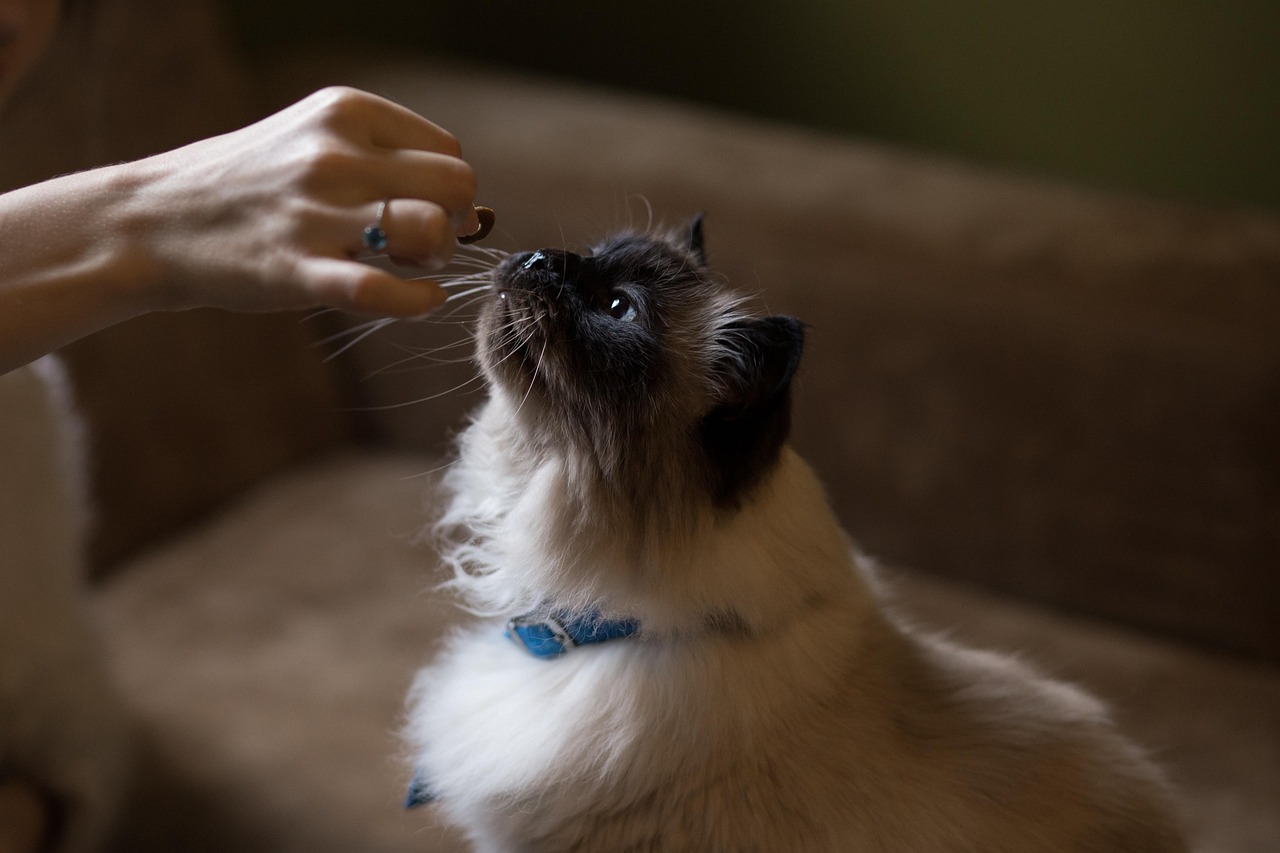
As a new pet owner, it is incredibly tempting to share your meals with your furry best friend. Those pleading eyes at the dinner table make it hard to say no! However, accidental poisoning from common household foods is one of the most frequent—and expensive—emergencies handled by veterinarians every single day.
Many foods that are perfectly healthy for humans are highly toxic to dogs and cats. To keep your pet safe and healthy, you must know exactly what can go into their bowl and what must stay far out of reach.
The “Never Share” List: Highly Toxic Foods
These common kitchen items should never be given to your pet under any circumstances. Even small amounts can cause severe illness or organ failure.
- Chocolate: Contains substances called methylxanthines (specifically theobromine). It causes vomiting, diarrhea, severe panting, excessive thirst, abnormal heart rhythms, tremors, and seizures. Dark chocolate and baking chocolate are the most dangerous.
- Grapes and Raisins: Even a single grape or raisin can cause acute, irreversible kidney failure in dogs. The exact toxic substance remains unknown, making it highly unpredictable and incredibly dangerous.
- Onions, Garlic, Leeks, and Chives: These ingredients belong to the Allium family. They contain compounds that destroy your pet’s red blood cells, leading to life-threatening anemia. Symptoms like weakness and pale gums often take a few days to appear.
- Xylitol (Birch Sugar): This common artificial sweetener is found in sugar-free gum, peanut butter, candies, and baked goods. In pets, it triggers a massive insulin surge, causing a deadly drop in blood sugar (hypoglycemia) and liver failure within hours.
- Caffeine: Coffee, tea, energy drinks, and coffee grounds contain caffeine, which overstimulates a pet’s nervous system. This leads to hyperactivity, vomiting, elevated heart rate, and tremors.
- Macadamia Nuts: Highly toxic to dogs, causing severe weakness in the back legs, vomiting, tremors, depression, and hypothermia within 12 hours of eating.
The “Safe Share” List: Healthy Treats in Moderation
You don’t have to completely ban your pet from human snacks! These whole foods make excellent, low-calorie treats that actually provide health benefits, provided they are served completely plain (no salt, butter, oil, or seasonings):
| Safe Food Item | Key Health Benefits for Pets | Best Serving Method |
|---|---|---|
| Plain Blueberries | Packed with antioxidants, vitamin C, and fiber. | Fresh or frozen as a crunchy training treat. |
| Carrots | Excellent for dental health; scrapes plaque off teeth. | Raw baby carrots or frozen thick slices. |
| Cooked Pumpkin | High in fiber; miracle cure for mild diarrhea or constipation. | Canned pure pumpkin (NOT pumpkin pie mix). |
| Plain Cooked Chicken | Lean protein that builds muscle and is easy on sensitive stomachs. | Shredded, boiled, and completely skinless/boneless. |
| Green Beans | High-fiber filler that helps overweight pets lose weight safely. | Raw, steamed, or plain canned (low sodium). |
| Apples | Provides vitamins A and C, plus a satisfying crunch. | Slices with all seeds and the core completely removed. |
Hidden Kitchen Hazards to Keep Out of Reach
Toxicity isn’t the only danger in your kitchen. Watch out for these physical hazards that can cause internal blockages or injuries:
- Cooked Bones: Never give your pet cooked bones from chicken, beef, or pork. Cooking makes bones brittle, causing them to splinter inside your pet’s stomach or intestines, which requires emergency surgery.
- Avocado Pits and Fruit Stones: Peach pits, plum stones, and avocado pits contain small amounts of cyanide, but the bigger threat is that they easily block a pet’s throat or digestive tract.
- Fat Trimmings: Feeding your pet greasy bacon grease, meat fat, or skin causes severe inflammation of the pancreas (pancreatitis), leading to intense pain and dehydration.
What to Do in an Emergency
If you suspect your pet has eaten something dangerous, do not wait for symptoms to appear. Take action immediately:
- Call Your Vet Immediately: Keep your local emergency vet clinic’s number saved on your fridge.
- Identify the Item: Grab the food wrapper or note exactly how much your pet ate and how long ago it happened.
- Call Animal Poison Control: If your local vet is closed, contact a dedicated pet poison hotline immediately for step-by-step guidance on whether to induce vomiting or rush to an animal hospital.
© 2026 PetsFav. All Rights Reserved.
Disclaimer: The information on PetsFav is for educational and entertainment purposes only. We are not veterinarians or medical professionals. The content on this site is not a substitute for professional veterinary advice, diagnosis, or treatment. PetsFav will not be held responsible or liable for any actions taken based on the information provided in our articles. Always consult a qualified veterinarian regarding the health, medical needs, or safety of your pet.