
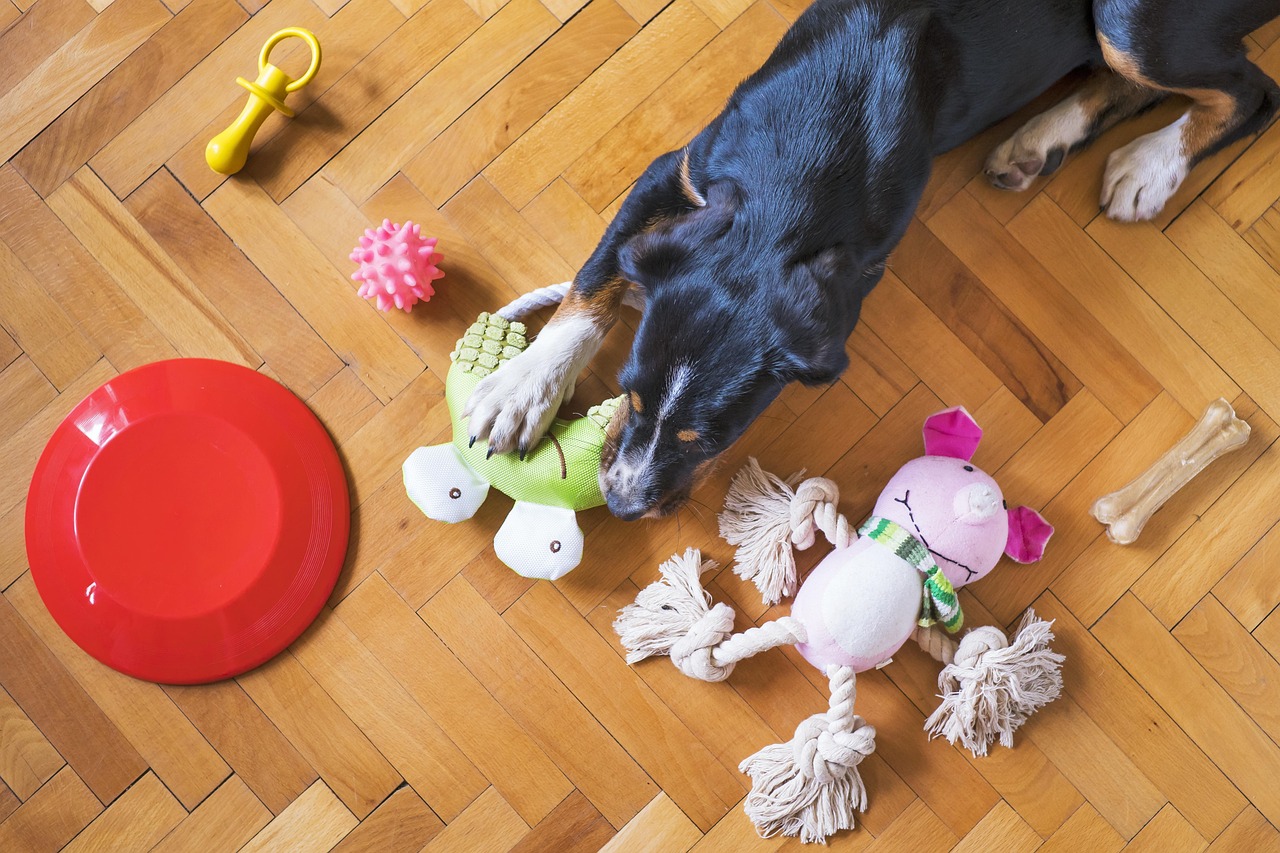
Bringing home a new pet is pure joy—until you find your favorite pair of shoes chewed to pieces! Destructive chewing is one of the most common complaints among new pet owners. If your new puppy or kitten is biting everything in sight, they are likely going through the painful process of teething.
Understanding how your pet grows their teeth is the secret to saving your furniture and helping them find relief.
The Pet Teething Timeline: What to Expect
Just like human babies, young animals go through distinct dental phases as they grow:
- 3 to 4 Weeks Old: Sharp little baby teeth (deciduous teeth) start cutting through the gums.
- 3 to 4 Months Old: The baby teeth begin to fall out to make room for adult teeth. This is the peak chewing phase because their gums are incredibly sore and itchy.
- 6 to 8 Months Old: All permanent adult teeth should be fully grown in. For dogs, this is 42 teeth; for cats, it is 30 teeth.
Note: If you adopted an adult pet who is constantly chewing, it is usually a sign of boredom, anxiety, or an underlying dental issue rather than teething.
How to Save Your Furniture (and Your Sanity)
You cannot stop a teething pet from chewing, but you can change what they chew:
- Provide Safe Alternatives: Invest in durable rubber chew toys (like a KONG). Avoid cheap plastic toys that can break and be swallowed.
- Freeze Their Toys: Put wet fabric chew ropes or rubber toys in the freezer. The cold temperature acts like an ice pack to numb their aching gums.
- Use Pet-Safe Deterrent Sprays: Spray bitter apple or cherry spray on chair legs and electrical cords to make them taste terrible.
- Supervise and Swap: If you catch them chewing a shoe, calmly say “no,” take the shoe away, and immediately give them their designated chew toy. Praise them when they bite the toy instead.
Teething doesn’t last forever! With patience and the right toys, you will protect your home and keep your pet comfortable.
⚠️ Safety Disclaimer: The teething advice and chew toy recommendations on this page are for educational purposes only. Every pet chews differently. PetsFav is not responsible for any injuries, choking hazards, or dental damage that may occur from using these products or methods. Always supervise your pet closely while they are chewing on toys, inspect items daily for wear and tear, and consult your veterinarian immediately if your pet swallows a foreign object or experiences bleeding gums.