
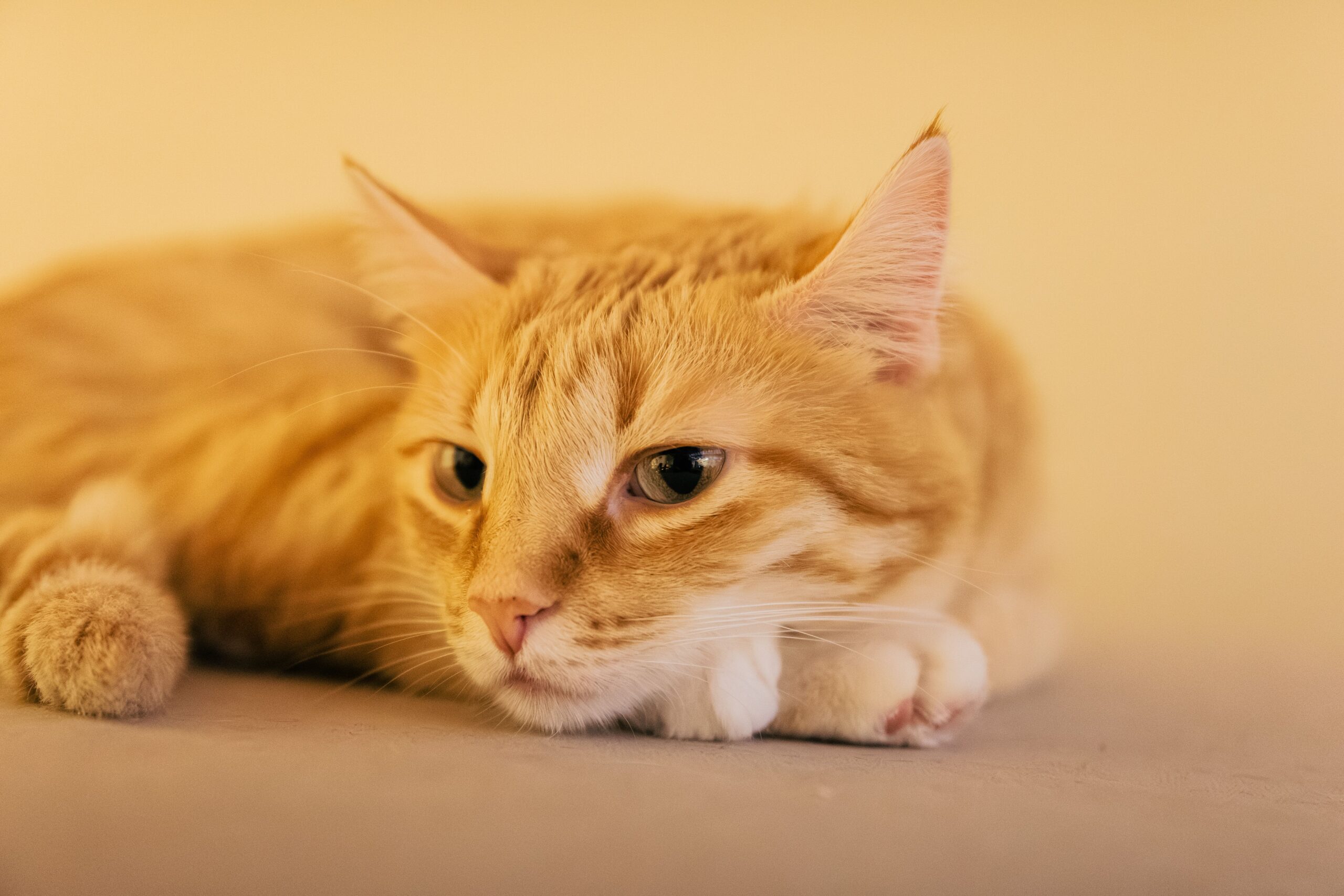
It is a charming and peaceful ritual that almost every cat owner has witnessed firsthand. Your cat hops onto your lap, finds a exceptionally soft blanket, and begins rhythmically pushing their paws in and out, alternating left and right. This distinctive motion looks exactly like a baker kneading dough, which is why the internet affectionately calls this behavior making biscuits.
During this ritual, your cat might look completely entranced. Their eyes might half-close, they may purr loudly, and they might even drool slightly onto the fabric. Sometimes, they will extend their sharp claws, which can turn a loving moment into a slightly painful experience for your legs.
While kneading is one of the most common feline behaviors, it leaves many pet parents wondering exactly why their animals do it. Is it a sign of affection, a hidden instinct from their wild ancestors, or a way to stretch their muscles? This comprehensive guide breaks down the evolutionary biology behind feline kneading, what your cat is trying to communicate, and how to protect your skin from sharp claws.
The Top 4 Reasons Why Your Cat Is Kneading
Feline behaviorists and evolutionary biologists identify several distinct physical and psychological reasons why domestic cats maintain this lifelong habit:
- A Leftover Comfort Instinct from Kittenhood
The primary origin of kneading dates back to a cat’s very first days of life. Newborn kittens are born blind and deaf, relying entirely on touch and scent to survive. When nursing, a kitten will instinctually knead the area around their mother’s mammary glands. This rhythmic pushing motion physically stimulates the flow of milk. Even though adult cats no longer need to nurse, their brains permanently associate the physical motion of kneading with the absolute safety, warmth, and comfort of being with their mother. - Depositing Invisible Pheromones to Claim Territory
Cats are highly territorial creatures that rely heavily on scent communication to map out their world. They possess specialized, hidden scent glands embedded deeply within the soft pads on the bottom of their paws. When your cat kneads a plush blanket, a couch cushion, or your visual clothing, they are actually depositing invisible chemical pheromones onto the surface. This acts as a clear territorial message to other animals that says: “This object belongs to me.” - Ancient Ancestral Bedding Routines
Before cats were domesticated into indoor companions sleeping on our beds, wild felines had to survive rough outdoor elements. Wild cats did not have soft pillows, so they had to create their own nests. Ancestral wild cats would use their paws to stomp down tall grass, weeds, and thorn bushes to create a smooth, safe, and comfortable surface to sleep on. Kneading is an evolutionary, hardwired habit that modern house cats use to test and prepare a resting spot before settling down for a nap. - Stretching and Flexibility Maintenance
Cats are natural athletes that spend up to 16 hours a day sleeping. When they wake up from a deep nap, their muscles and tendons can become incredibly stiff. Kneading serves as a localized yoga session. By gripping a soft fabric and pulling backward, cats deeply stretch the complex muscle groups in their front legs, shoulders, and paws, keeping them limber and ready to spring into action.
What Does It Mean When a Cat Kneads Your Lap?
If your cat chooses your body as their favorite biscuit-making station, it is the ultimate feline compliment. Because kneading is rooted in the safety of kittenhood, it means your cat views you as a parental figure. They feel completely safe, secure, and relaxed in your presence. They are using their paw scent glands to officially claim you as a trusted member of their family flock.
How to Protect Your Lap from Sharp Claws
While kneading is an act of pure love, it can be incredibly painful if your cat digs their claws directly into your skin. You should never punish or yell at your cat for kneading, as this will destroy their trust. Use these gentle management strategies instead:
- Keep a Thick Blanket Nearby: Keep a dedicated, thick fleece blanket draped over your couch or favorite chair. When your cat jumps up to start making biscuits, gently slide the thick fabric between their paws and your legs to create a protective barrier.
- Maintain Routine Nail Trims: Use pet-safe claw clippers to trim the sharp, transparent tips off your cat’s front claws once every two weeks. This reduces the accidental scratching potential without altering their natural stretching instincts.
- Redirect with Gentle Petting: If the claws are digging in too deep, gently stroke your cat’s back or scratch them behind the ears to encourage them to lie down and sleep, which naturally stops the paw movement.
Quick Reference for Feline Paw Behavior
| Cat Paw Action | Hidden Psychological Meaning | Best Owner Response |
|---|---|---|
| Kneading a soft blanket while purring loudly. | Feeling completely safe, relaxed, and reminiscent of kittenhood. | Allow the behavior to continue; do not disturb their peace. |
| Flexing claws deeply into your bare skin. | Deep affection paired with untrimmed, sharp nails. | Slip a thick blanket under their paws immediately. |
| Swatting with front claws extended suddenly. | Feeling overstimulated, frightened, or warning you to back off. | Stop touching the cat immediately and give them physical space. |
| Rubbing their face and chin against your hand. | Marking you with facial scent glands as a trusted family member. | Enjoy the moment and offer gentle head scratches. |
© 2026 bffpuppy. All Rights Reserved.
Disclaimer: The information on PetsFav is for educational and entertainment purposes only. We are not veterinarians, animal behaviorists, or licensed medical professionals. The content on this site is not a substitute for professional veterinary advice, diagnosis, or treatment. A sudden change in your cat’s daily habits, or obsessive kneading accompanied by signs of lethargy, skin chewing, or crying out in pain can indicate an underlying medical issue or physical discomfort. PetsFav will not be held responsible or liable for any actions taken based on the information provided in our articles. Always consult a qualified veterinarian regarding the specific health, behavioral status, or medical needs of your feline companion.