
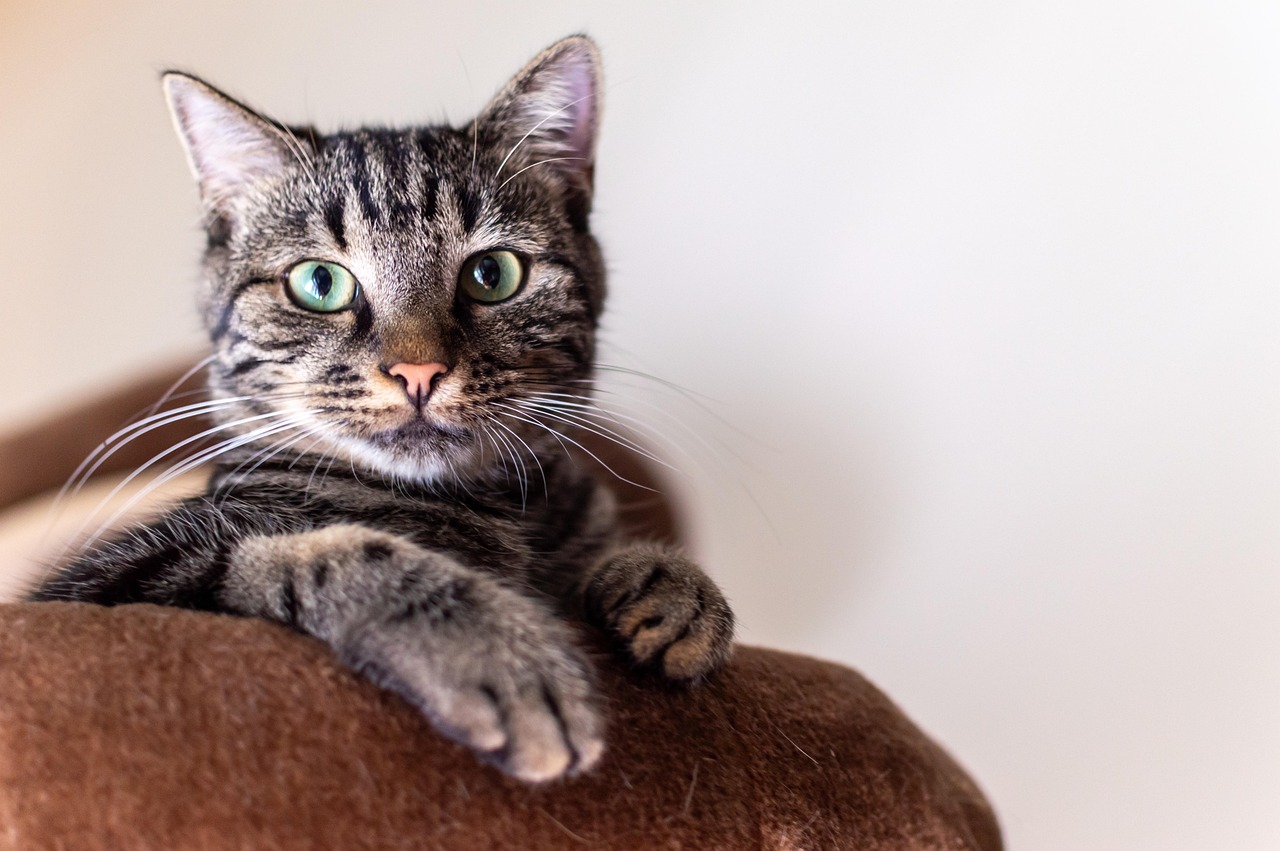
It is one of the most comforting sounds in the entire world. You sit on the couch, your cat curls up against your chest, and within seconds, their entire body begins to vibrate with a deep, rhythmic rumble. This classic purring sound is the universal soundtrack to a content, relaxed house cat.
However, researchers and evolutionary biologists have discovered that feline purring is far more complex than just a simple expression of joy. Cats will purr when they are completely relaxed, but they also purr when they are giving birth, suffering from a physical injury, or facing extreme terror at a veterinary clinic.
This hidden contrast leaves many pet parents wondering what is actually happening inside their pet’s body. Is purring a physical language, a secret emotional outlet, or a natural survival mechanism? This comprehensive guide breaks down the biological mechanics of how a cat creates this sound, the real reasons behind the vibration, and how to read your cat’s micro-behaviors.
The Mechanics of the Purr: How Do They Do It?
Before looking at the psychological reasons, it helps to understand the anatomy of a purr. Unlike roaring wild cats, domestic cats possess a unique skeletal and muscular layout in their throats:
- The Neural Oscillator: A cat’s brain sends repetitive, rhythmic electrical signals directly to the muscles inside their voice box (larynx).
- The Vocal Cord Twitch: These signals cause the laryngeal muscles to twitch and vibrate at a steady frequency of 25 to 150 vibrations per second (Hertz).
- Inhaling and Exhaling: As the cat breathes in and out, the air hits the vibrating throat muscles, creating the steady, continuous rumble that we hear as a purr.
The Top 4 Reasons Why Your Cat Is Purring
Feline veterinary experts identify four primary reasons why domestic cats use this unique internal vibration throughout their lives:
- Pure Contentment and Social Bonding
The most common reason a cat purrs is to communicate total happiness and peace. When your cat is resting on your lap or grooming a companion animal, their brain releases calm endorphins. In these moments, the purr serves as an acoustic message to you and the rest of the household that says: “I am completely safe, comfortable, and I trust you entirely.” - The Low-Frequency Self-Healing Mechanism
This is one of the most incredible discoveries in modern animal science. The specific frequency of a cat’s purr—typically sitting between 25 and 50 Hertz—corresponds exactly with the vibrational frequencies used in human medical medicine to accelerate bone growth, repair torn muscles, and reduce physical swelling. When an injured or sick cat curls up and purrs, they are literally using their own voice box as an internal ultrasound machine to regenerate cells, strengthen bones, and heal their body from the inside out. - Managing Severe Pain, Stress, and Fear
Because purring releases feel-good endorphins inside a cat’s central nervous system, they will frequently use it as a subconscious coping mechanism to manage absolute terror or physical trauma. Veterinarians routinely witness cats purring loudly during active labor or when experiencing severe distress on an examination table. The vibration acts like a human toddler sucking their thumb, serving to lower their heart rate and calm their internal panic. - The “Solicitation Purr” for Hungry Mornings
Cats have learned to manipulate human behavior using a very specific vocal trick called the solicitation purr. When a cat wants food in the morning, they will embed a high-pitched cry directly inside their normal low-frequency rumble. This exact frequency matches the sound of a human baby crying. The human brain is hardwired to find this specific sound impossible to ignore, forcing you to get out of bed and fill their food bowl immediately.
Quick Reference for Feline Purr Assessment
| Type of Purr | Accompanying Body Language | Hidden Meaning |
|---|---|---|
| Soft, steady rumble. | Half-closed eyes, loose muscles, kneads paws. | Total happiness, comfort, and bonding trust. |
| High-pitched, loud rumble. | Pacing near the kitchen, rubbing against your legs. | Solicitation response; the cat demands food. |
| Loud, frantic purring. | Body frozen, ears flattened, panting, or hid in a corner. | High pain, active fear, or severe internal stress. |
| Weak, quiet purring. | Sluggish movements, refusal to eat, cloudy eyes. | Self-healing response; the cat is actively sick. |
© 2026 bffpup. All Rights Reserved.
Disclaimer: The information on PetsFav is for educational and entertainment purposes only. We are not veterinarians, feline behaviorists, or licensed medical professionals. The content on this site is not a substitute for professional veterinary advice, diagnosis, or treatment. A sudden change in your cat’s vocal habits, or non-stop purring accompanied by physical hiding, open-mouth breathing, or lethargy can indicate a severe medical emergency. PetsFav will not be held responsible or liable for any actions taken based on the information provided in our articles. Always consult a qualified veterinarian regarding the specific health, behavioral status, or medical needs of your feline companion.