
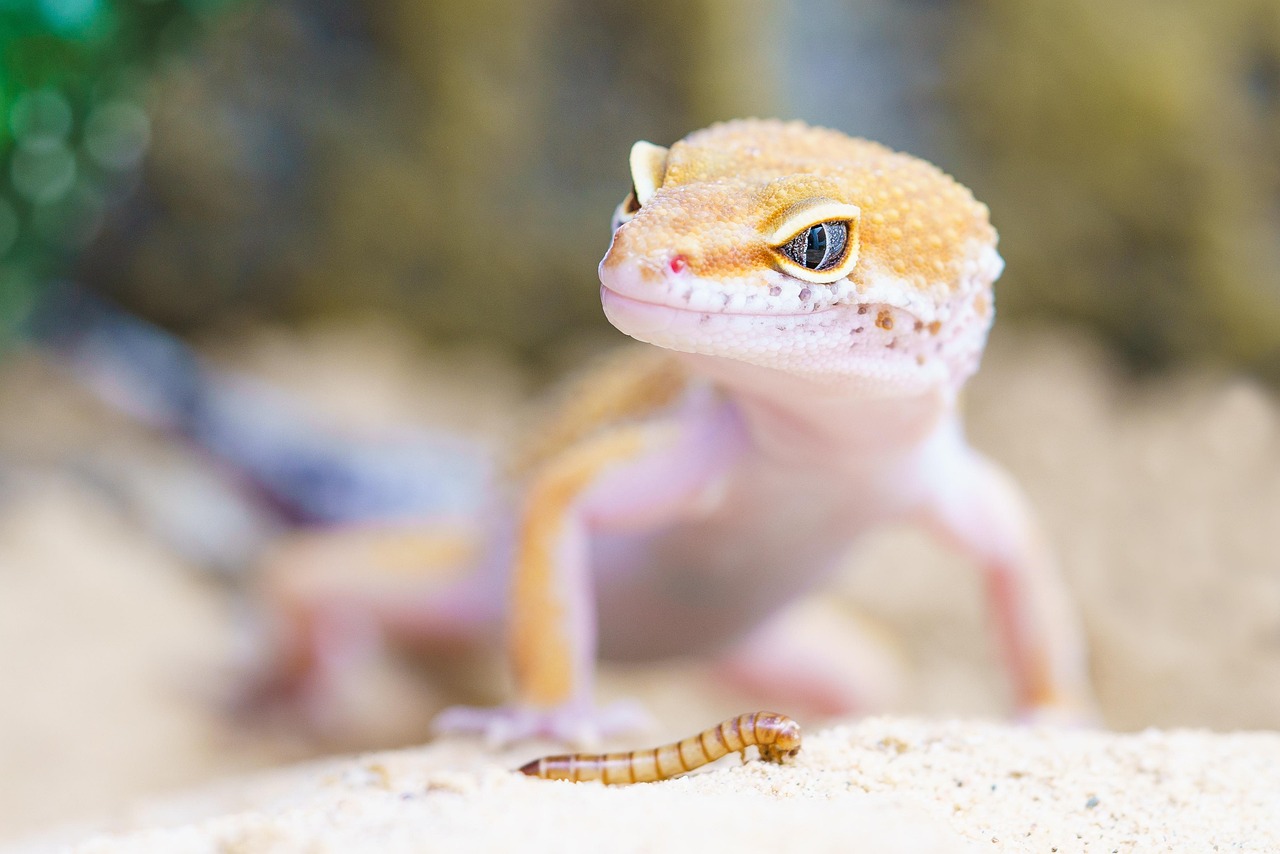
ith their large, expressive eyes, tiny clawed feet, and permanent smiling expressions, leopard geckos have earned their reputation as one of the friendliest and most popular pet reptiles in the world. Unlike many other lizards, geckos are incredibly docile, tolerant of gentle human handling, and rarely show signs of aggression.
However, one of the most frequent questions potential keepers and new owners search for before bringing one home is whether these little lizards have teeth—and what happens if they actually bite you. It is a common worry, especially if you are unaccustomed to handling reptiles or are setting up a pet habitat for a child.
The short answer is yes, leopard geckos do have teeth, but their dental structure is completely different from mammals. This guide breaks down the anatomy of a gecko’s mouth, how their teeth function, and exactly what a leopard gecko bite feels like to a human.
The Anatomy of Leopard Gecko Teeth: Tiny and Replaceable
When you look at a leopard gecko’s mouth, you cannot see their teeth resting on their lips. Their dental structure is completely hidden away behind their gums unless they wide open their mouth to grab an insect.
- The Sheer Number of Teeth: A healthy adult leopard gecko possesses roughly 100 tiny, microscopic teeth lined along the upper and lower jawbones.
- Conical Shape (Pleurodont Dentition): Their teeth are not sharp fangs, serrated blades, or flat molats like ours. Instead, they are tiny, identical, cone-shaped pegs. They are fused directly to the inner sides of the jawbones rather than sitting deep inside bone sockets.
- Constant Lifetime Replacement: Leopard geckos are polyphyodonts, meaning they naturally shed and replace their teeth throughout their entire lives. Every 3 to 4 months, a tooth naturally falls out, and a brand-new replacement tooth is already waiting underneath to slide right into place. This ensures their hunting tools stay sharp enough to crush the hard exoskeletons of live feeder insects.
Why Do Leopard Geckos Bite? Understanding the Triggers
Leopard geckos are entirely non-aggressive animals that choose to run away and hide rather than fight. If a gecko snaps at a human hand, it is always a reaction to one of these three distinct situational triggers:
- The Accidental Feeding Mistake
By far the most common reason for a gecko bite is an accidental feeding error. Leopard geckos have poor eyesight regarding stationary objects, but their brains lock onto fast movement instantly. If you hand-feed your lizard and your fingers move rapidly near a cricket or mealworm, the gecko may mistakenly lung forward and strike your finger. They will realize their mistake instantly and let go immediately. - Defensive Fear and Handling Stress
If you just brought a new gecko home from a pet shop, they will experience intense relocation anxiety. If you reach into the enclosure, corner them in a cave, or grab them suddenly from above, they will perceive your hand as a flying predator. Out of absolute terror, they may open their mouth wide, hiss loudly, and snap defensively to protect themselves. - Hormonal Breeding Aggression
During the spring and summer breeding seasons, male leopard geckos experience significant hormonal surges. If you house a male gecko or handle one while your hands carry the invisible scent pheromones of another reptile, they may display territorial aggression and strike out of pure instinct.
What Does a Leopard Gecko Bite Feel Like?
Because the word “bite” sounds scary, many owners panic when a gecko lunges. However, an adult leopard gecko bite is completely minor:
- The Sensation: An adult gecko bite feels like a small pinch or a piece of scratchy Velcro being pressed firmly against your skin. Their jaws are designed to hold onto crickets, not crush large objects. They do not possess the jaw pressure or large tooth size required to cause real damage to a human hand.
- Does it Bleed? In 99% of cases, a leopard gecko bite will not break human skin or cause a single drop of bleeding. A tiny baby or juvenile gecko bite cannot even be felt. The only time a bite might leave a tiny, superficial scratch is if an adult male bites a sensitive area (like the side of a finger) and you violently yank your hand backward in panic, dragging your skin across their tiny teeth.
Quick Reference for Gecko Mouth Assessment
| Symptom or Behavior | What It Means | Immediate Action Step |
|---|---|---|
| Mouth open wide, loud hissing sound. | Intense fear, territorial stress, or defensive panic. | Pull your hand back out of the tank and let the lizard calm down. |
| Striking rapidly at moving fingers. | Feeding response; the lizard thinks your hand is an insect. | Use metal feeding tongs instead of your bare fingers to offer bugs. |
| Thick, cheesy white goo inside the mouth line. | Infectious Stomatitis (Mouth Rot) bacterial infection. | Schedule an immediate reptile vet visit for specialized antibiotic treatment. |
| Swollen jaw or flexible, rubbery mouth bones. | Advanced Metabolic Bone Disease from a lack of calcium. | Upgrade your UVB lighting system and dust all live insects with calcium powder. |
© 2026 PetsFav. All Rights Reserved.
Disclaimer: The information on PetsFav is for educational and entertainment purposes only. We are not veterinarians, herpetologists, or licensed reptile medical professionals. The content on this site is not a substitute for professional exotic veterinary advice, diagnosis, or treatment. Reptiles carry natural bacteria, including Salmonella, inside their digestive systems and mouths. PetsFav will not be held responsible or liable for any injuries, infections, or actions taken based on the information provided in our articles. Always wash your hands thoroughly with anti-bacterial soap after handling any reptile or tank accessory, and consult a qualified veterinarian regarding the specific health or medical needs of your pet.