
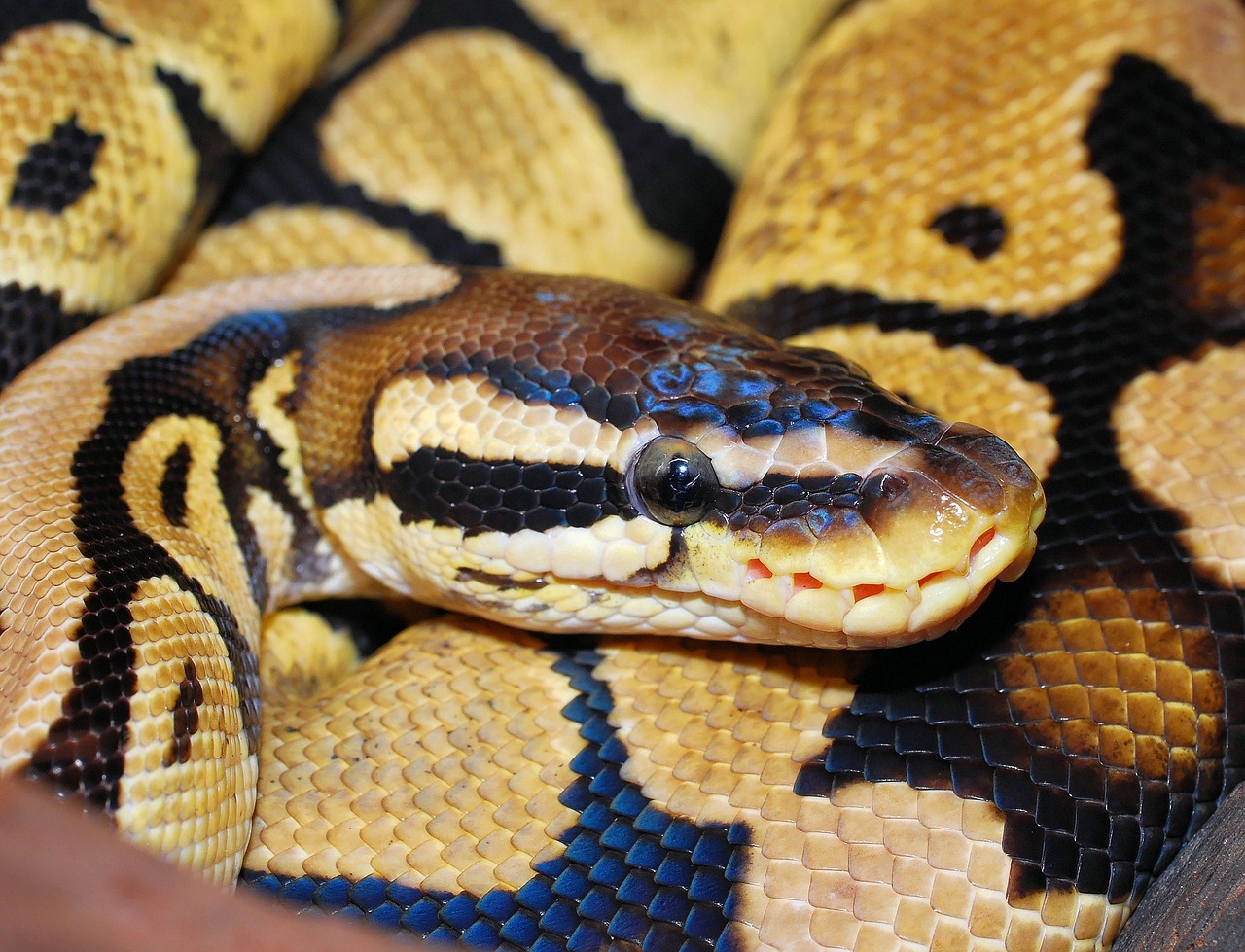
It is a common cause of frustration and worry for beginner reptile keepers: you set up a beautiful, expensive glass terrarium for your new ball python, decorate it with branches and artificial plants, and introduce your new pet to their home. Yet, instead of exploring the habitat, your snake immediately slithers into a dark cave and stays there. Days turn into weeks, and your ball python never seems to leave that single spot.
Watching a pet remain completely hidden 24 hours a day can make you feel panicked. You might instantly worry that your reptile is suffering from a dangerous respiratory infection, chronic depression, severe handling stress, or that they are slowly failing to thrive.
Fortunately, constant hiding is actually one of the most natural behaviors for this specific species. In the reptile world, a hiding snake is a happy, stress-free snake. This guide breaks down the biological instincts behind this reclusive lifestyle, the hidden tank setup mistakes that force them into hiding, and exactly how to tell the difference between normal behavior and a medical emergency.
The Top 4 Reasons Why Your Ball Python Is Always in a Cave
Herpetologists and professional reptile breeders identify four main reasons why these African pythons prefer a life hidden away from sight:
- Ancestral Prey Instincts and the Need for Security
In their native habitats of West and Central Africa, ball pythons are not apex predators. They are relatively small, slow-moving snakes that are heavily preyed upon by large birds, wild mammals, and larger reptiles. Their primary survival mechanism is to find abandoned rodent burrows or termite mounds and wedge themselves tightly inside. Out in the open, they feel completely exposed and terrified. When your snake is hiding in their enclosure, they are simply executing their hardwired genetic programming to stay alive. - Nocturnal and Crepuscular Activity Cycles
Many new owners look at their reptile tank during daytime hours and assume their snake is broken because it is asleep. Ball pythons are nocturnal and crepuscular, meaning their natural internal clock dictates that they sleep all day and only wake up to hunt during the twilight hours of dawn, dusk, and late night. If you check your snake’s enclosure at 3:00 AM in a pitch-black room, you will likely find them climbing branches, exploring the perimeter, and soaking in their water dish. - The Physiological Shedding Cycle (Going into Blue)
If your ball python has suddenly refused to leave their hide for several days straight and has stopped eating, they are likely entering a shedding cycle, known as going into blue. During this phase, a fluid builds up under their old skin to help it separate, turning their scales dull and making their eyes look a cloudy, opaque blue color. This fluid temporarily blinds the snake, making them feel incredibly vulnerable and defenseless. They will stay locked inside their moist hide until the old skin completely peels off. - Digesting a Large Meal
Ball pythons swallow their prey completely whole. Digesting a mouse or a rat requires an immense amount of physical energy and elevated internal body temperatures. After eating, a ball python’s metabolism spikes, and their movement drops to absolute zero. They will sit directly inside their warm hide box for three to five days straight without moving, using the localized heat to break down the meal safely without regurgitating.
The Universal Rule: A Hiding Snake Is a Happy Snake
In the reptile hobby, there is a famous golden rule: a hiding ball python is a happy ball python. If your snake is curled up tightly inside a cave, it means they feel completely safe, secure, and comfortable in their environment.
Conversely, if a ball python is constantly roaming the tank, pacing back and forth along the glass corners, or frantically climbing the mesh screen during the middle of the day, it is a major warning sign. This behavior, called glass surfing, means the snake is highly stressed, uncomfortable, and desperately trying to escape because the tank temperatures are either too hot or too cold.
How to Audit Your Enclosure Layout for Peak Security
To ensure your ball python remains healthy while hiding, your terrarium setup must follow these strict guidelines:
- Provide Identical Hides on Both Sides
Your tank must feature a temperature gradient with a hot side and a cool side. You must place at least two completely enclosed, dark hide boxes in the tank—one directly on the hot side and one on the cool side. If you only provide one good hide box, the snake will be forced to choose between feeling safe or regulating its body temperature, leading to severe illness. - Make Sure the Hides are Snug
Ball pythons despise large, open, drafty caves. They experience comfort through thigmotaxis, which means they want to feel the walls of the cave pressing tightly against their back and sides when they curl up. Choose a hide box that looks slightly too small for your snake; if they can fit their entire body inside tightly with no empty space, it is perfect. - Block Out Three Sides of the Glass
Living inside a four-sided clear glass aquarium makes a ball python feel like they are sitting in the middle of a busy room with nowhere to run. Use black aquarium background paper or sheets of foam board to completely block out the back glass panel and both side panels of the tank. Leaving only the front glass clear drastically lowers baseline stress and makes the snake feel hidden even when moving between caves.
Quick Reference for Ball Python Behavior Assessment
| Snake Behavior | What It Means | Immediate Home Action |
|---|---|---|
| Curled inside the warm hide all day. | Normal digestion or daily sleeping cycle. | Leave the snake completely alone; do not disturb them. |
| Pacing the glass frantically during the day. | High environmental stress or incorrect tank temperatures. | Use a digital probe thermometer to check the hot and cool zones. |
| Eyes look cloudy blue; skin looks dull. | Active shedding phase. | Mist the enclosure to raise humidity to 70%; stop handling. |
| Hissing loudly and striking when cave is touched. | Defensive fear or extreme handling anxiety. | Back away from the tank; allow the reptile time to settle. |
© 2026 PetsFav. All Rights Reserved.
Disclaimer: The information on PetsFav is for educational and entertainment purposes only. We are not veterinarians, herpetologists, or licensed exotic medical professionals. The content on this site is not a substitute for professional exotic veterinary advice, diagnosis, or treatment. Reptiles and snakes possess highly specialized biological systems, metabolic processes, and precise environmental vulnerabilities that require strict climate controls. PetsFav will not be held responsible or liable for any actions taken based on the information provided in our articles. Always wash your hands thoroughly with anti-bacterial soap after handling any reptile or tank accessory, and consult a qualified exotic veterinarian regarding the specific health, habitat setup, or medical needs of your snake.