
Setting up your very first aquarium is an exciting journey that brings a vibrant piece of aquatic nature directly into your living space. However, many beginner fish keepers quickly run into trouble because keeping fish alive requires a completely different approach than caring for a dog or a cat. You aren’t just feeding an animal—you are actively maintaining a delicate, living underwater ecosystem.
To build a thriving, low-stress aquarium and avoid the frustrating mistakes that lead to sick fish, you need a solid grasp of aquarium chemistry, water filtration, and fish compatibility. This comprehensive guide breaks down every critical step you must take before you buy a single fish, alongside the daily maintenance routines you must follow during your fish-keeping journey.
Part 1: What You Need to Know BEFORE Buying a Fish Tank
The biggest mistake a new hobbyist can make is walking into a local pet store, purchasing a fish bowl, a bag of gravel, and a few tropical fish all on the same day. To set yourself up for absolute success, you must plan your aquarium habitat layout well in advance.
1. Tank Size Matters (Bigger is Actually Easier)
Beginners often assume that a tiny 2-gallon or 5-gallon nano aquarium is the easiest option to manage. In reality, small bodies of water are highly unstable. If a fish passes away, or if you accidentally overfeed them, toxic chemicals like ammonia will skyrocket instantly in a small tank, wiping out your aquarium population overnight.
- The Sweet Spot: Start with at least a 10-gallon or 20-gallon aquarium. A larger volume of water dilutes organic waste naturally, providing you with a much safer cushion for minor care mistakes.
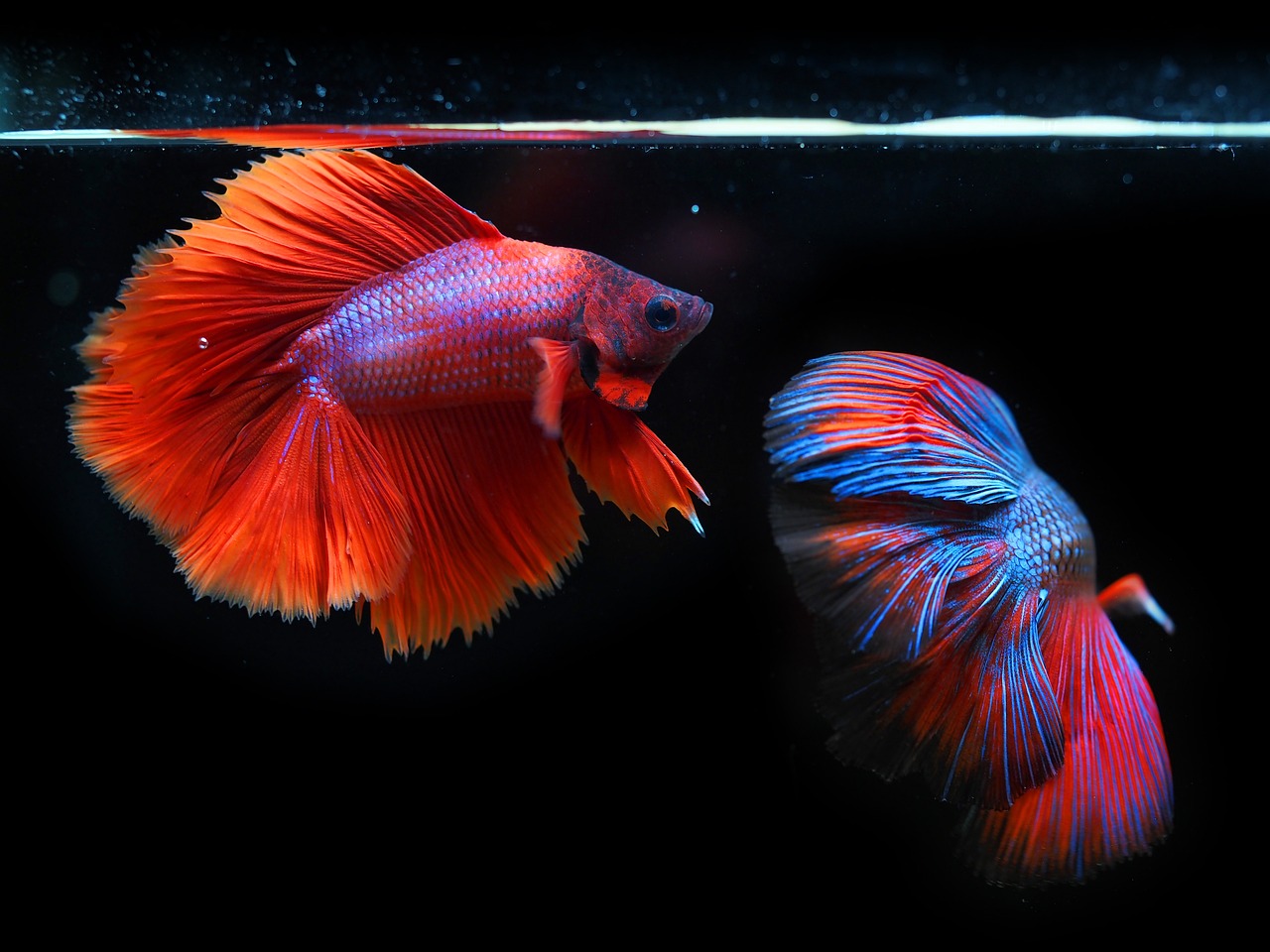
- The “Fish Bowl” Myth: Never keep fish in an unheated, unfiltered glass bowl. Goldfish and Betta fish require proper swimming space, filtered water, and stable temperatures to survive.
2. Mastering the Nitrogen Cycle (The Non-Negotiable Step)
You cannot add fish to a brand-new aquarium immediately. You must first complete a process called aquarium cycling, which takes anywhere from 4 to 6 weeks.
- Fish produce waste, and uneaten fish food rots. This creates Ammonia (NH₃), which is highly toxic and burns a fish’s gills.
- Over a few weeks, beneficial nitrifying bacteria grow naturally inside your aquarium filter sponge. These specialized bacteria convert harmful Ammonia into Nitrite (NO₂⁻), which is still highly toxic.
- A second type of beneficial bacteria then develops to convert Nitrite into Nitrate (NO₃⁻). Nitrate is relatively harmless to fish in low concentrations and is easily removed through your routine water changes.
- How to Cycle: Set up your aquarium with water, substrate, and a filter running. Drop small pinches of fish food into the empty tank daily to produce ammonia. Use a liquid aquarium water testing kit to monitor the chemical levels until Ammonia and Nitrite hit exactly 0 parts per million (ppm). Only then is your tank safe for livestock.
3. Essential Aquarium Equipment Checklist
Before finalizing your budget, ensure you have these vital pieces of life-support hardware:
- Aquarium Filter: Choose a reliable Hang-On-Back (HOB) filter or a gentle sponge filter rated for your specific tank volume. The filter provides mechanical filtration (trapping particles) and biological filtration (housing your beneficial bacteria).
- Submersible Aquarium Heater & Thermometer: Tropical fish (like Bettas, Guppies, Tetras, and Angelfish) require a stable water temperature between 75°F and 82°F (24°C to 28°C). Fluctuating temperatures cause intense stress, lowering their immune systems.
- Dechlorinator / Water Conditioner: Tap water contains dangerous chlorine and chloramines to make it safe for humans to drink. However, chlorine will instantly kill your fish and destroy your beneficial bacteria colony. You must add an aquarium water conditioner to every single drop of tap water before it enters your tank.
- Aquarium Substrate & Decor: Choose between smooth aquarium gravel or specialized freshwater aquarium soil if you plan to grow live aquarium plants. Avoid sharp plastic plants that can tear delicate fish fins; choose silk plants or natural driftwood instead.
Part 2: What You Need to Know DURING Your Fish-Keeping Journey
Once your aquarium is fully cycled and your fish are swimming happily, your job shifts to routine ecosystem management. Keeping your tank stable ensures your fish live a long, vibrant life.
1. How to Properly Acclimate New Fish
When you bring fish home from the pet store, do not just dump them straight into the aquarium. The sudden shift in water temperature and water chemistry (pH levels) can induce fatal toxic shock.
- Floating Method: Float the sealed plastic fish bag on top of your aquarium water for 15 to 20 minutes to equalize the temperature.
- Drip Acclimation: Open the bag, pour out half the store water, and slowly add a half-cup of your aquarium water into the bag every 5 minutes. Repeat this for 20 minutes so the fish gently adapts to your tank’s specific water parameters.
2. The Art of Feeding (Avoid Overfeeding)
Overfeeding is the number one cause of aquarium fish death. A fish’s stomach is roughly the size of its eye. Any food they do not eat within two minutes will sink to the bottom, rot, clog your filter media, and trigger dangerous ammonia spikes or massive aquarium algae blooms.
- Feeding Schedule: Feed your fish once or twice a day, giving them only what they can consume completely in 60 seconds.
- Fast Days: Leave your fish without food one day per week. This helps clear out their digestive tracts, drastically reducing the risk of fatal bloating and swim bladder disease.
3. Routine Aquarium Maintenance & Water Changes
You should never empty your entire fish tank to scrub it clean. Doing so kills your beneficial bacteria colony and resets your nitrogen cycle completely. Instead, perform a partial water change once every 1 to 2 weeks.
- The Gravel Vacuum: Use an aquarium siphon (gravel vacuum) to suck out 20% to 30% of the water from the bottom of the tank. Push the siphon tube directly into the gravel to lift up fish poop, debris, and decaying organic matter.
- Filter Cleaning Care: When your filter slows down, rinse the filter sponge inside the bucket of dirty aquarium water you just siphoned out. Never rinse your filter pads under a running tap, because the chlorinated tap water will instantly wipe out your beneficial biological bacteria colony.
- Refilling: Fill a bucket with clean tap water, mix in your water conditioner, check that the temperature matches your tank exactly, and gently pour it into your aquarium.
Quick Guide to Ideal Freshwater Water Parameters
Keep these chemical boundaries tracked using your liquid test kit to ensure peak fish vitality: [1]
| Chemical Parameter | Ideal Target Level | Danger Zone | How to Fix Issues |
|---|---|---|---|
| Ammonia (NH₃) | 0.0 ppm | > 0.25 ppm | Perform an immediate 50% water change; add water conditioner. |
| Nitrite (NO₂⁻) | 0.0 ppm | > 0.25 ppm | Dose with beneficial bacteria starter; limit daily feeding. |
| Nitrate (NO₃⁻) | < 20.0 ppm | > 40.0 ppm | Complete your routine partial water change using a gravel vacuum. |
| Water Temp | 75°F – 82°F | Below 72°F / Above 85°F | Adjust your submersible heater; keep tank away from sunny windows. |
| pH Level | 6.5 – 7.8 | Extreme fluctuations | Avoid chemical pH adjusters; use natural driftwood or crushed coral. |
Common Fish Diseases to Monitor
- Ich (White Spot Disease): A highly contagious parasite that looks like tiny grains of salt sprinkled across your fish’s body and fins. It is treated by slowly raising the tank temperature to 82°F and adding aquarium salt or specialized anti-parasitic medications.
- Fin Rot: A bacterial infection that makes a fish’s fins look ragged, torn, or black on the edges. It is almost always caused by poor water quality and high stress. Clean water is the best cure.
- Velvet: A parasite that leaves a dusty, gold, or rust-colored film over the fish’s scales. It requires a complete tank blackout (turning off all aquarium lights) and copper-based treatments.
⚠️ Water Safety Disclaimer: The aquarium setup steps and equipment tips on this page are for educational purposes only. Water conditions vary by location. PetsFav is not responsible for fish loss, tank leaks, or equipment failure that may occur from setting up your aquarium. Always test your tap water, monitor your chemical parameters daily, and consult a local aquatic specialist if your fish show signs of distress or illness.