
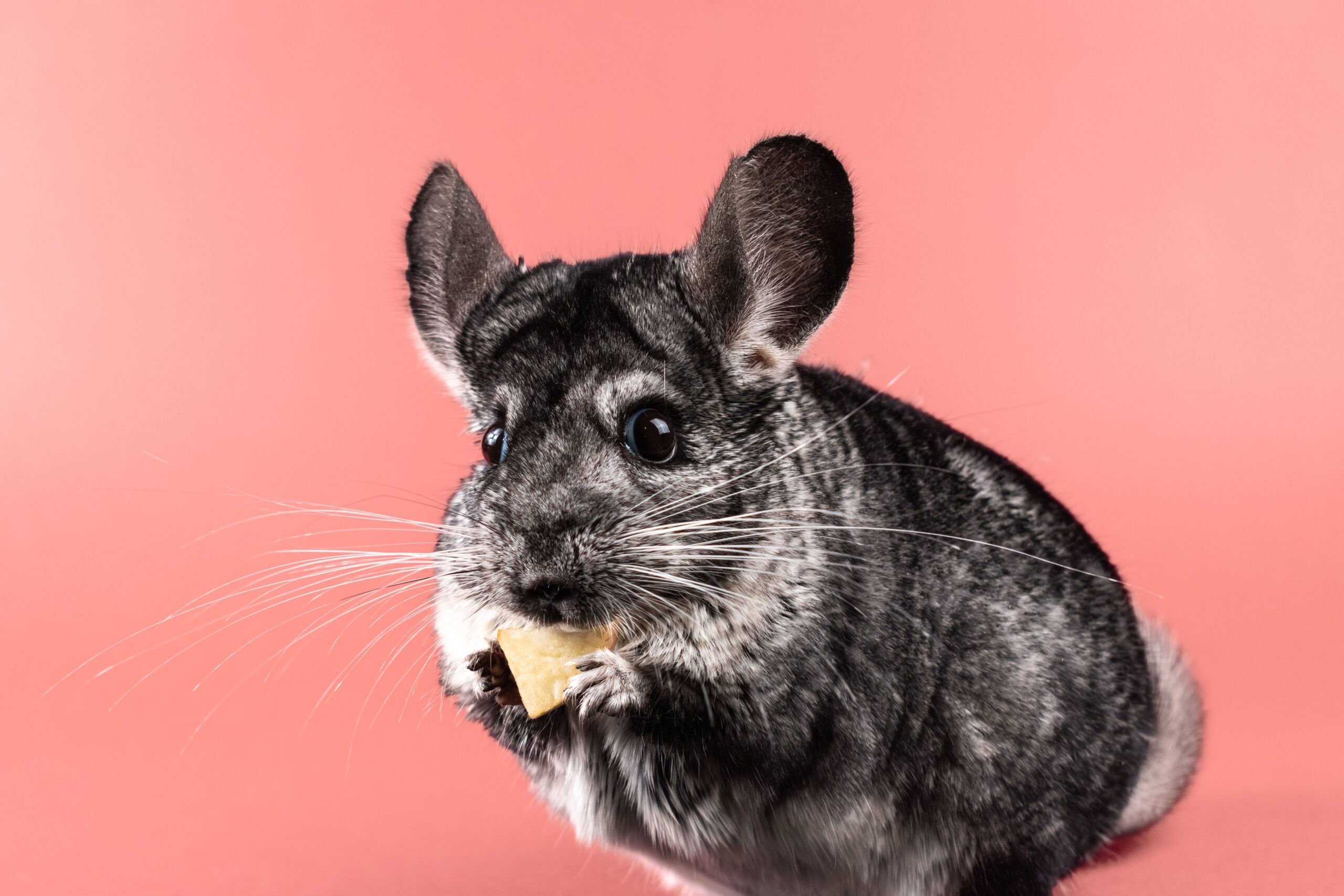
Chinchillas are unique, captivating pocket pets that have grown massively in popularity. Known for having some of the densest, softest fur of any land mammal, these energetic rodents can live up to 15 to 20 years in captivity. They are clean, virtually odorless, and incredibly active animals that love to sprint, leap, and climb.
However, a chinchilla is not a standard hamsters or guinea pig. They have complex biological needs shaped by their native, high-altitude mountain environments. If your home gets too humid, or if you feed them the wrong snack, it can be fatal.
This comprehensive guide breaks down the critical cage layouts, strict climate rules, and specialized diet needed to raise a healthy chinchilla.
The Non-Negotiable Chinchilla Habitat Setup
Chinchillas are natural jumpers that can leap up to six feet in the air. To keep them safe and physically fit, their housing and climate must meet these exact standards:
- Multi-Level Cage Space
Because they love to climb and leap vertically, chinchillas require a tall, multi-level wire cage rather than a long, flat enclosure. The minimum size for a single chinchilla is 3 feet tall, 2 feet wide, and 2 feet deep.
- Avoid Plastic: Chinchillas are obsessive chewers. Your cage must be made entirely of metal wire. Any plastic shelves, ramps, or trays will be quickly chewed to pieces, and swallowing plastic shards causes fatal intestinal blockages. Use solid wood shelves made of kiln-dried pine instead.
- The Strict Cold Temperature Rule
This is the most dangerous aspect of chinchilla care. Chinchillas have up to 80 hairs growing out of a single hair follicle, making their fur incredibly dense. Because of this, they cannot sweat or pant to cool down.
- Ideal Temperature: 60°F to 70°F (15°C to 21°C).
- The Danger Zone: Any temperature above 75°F (24°C), especially paired with high humidity, will cause rapid, fatal heatstroke. You must have functional air conditioning in the summer to keep these pets alive.
- The Magic of Dust Baths
You must never wash a chinchilla with water. Because their fur is so dense, it traps moisture completely against the skin. Wet fur will not dry naturally, leading to severe rot and fungal infections.
- How They Clean Themselves: Chinchillas take rolling baths in a special, fine volcanic ash known as chinchilla dust. You must provide a bowl of this dust two to three times a week for 10 minutes. The ash binds to natural skin oils and pulls dirt out of their coat, leaving it clean and fluffy.
The Specialized Diet: High-Fiber Requirements
Chinchillas possess a highly sensitive, specialized digestive tract designed for coarse, dry mountain vegetation. Feeding them wet, sugary, or fatty foods will cause fatal digestive shut downs.
- Timothy Hay (90% of the Diet): Your chinchilla must have an unlimited, constant supply of fresh, dry Timothy hay. The coarse fiber keeps their gut moving. More importantly, chinchilla teeth grow continuously throughout their lives. Chewing tough hay is the only way they naturally grind down their teeth to prevent painful overgrowths.
- Chinchilla Pellets: Feed them two tablespoons of plain, grass-based chinchilla pellets daily. Avoid mixed foods that contain dried fruits, seeds, nuts, or colorful corn flakes, as these cause severe fatty liver disease and bloating.
- Treat Warnings: Never feed a chinchilla fresh vegetables, fresh fruits, nuts, or seeds. Their bodies cannot process the moisture or sugar. If you want to give them a safe treat, offer a single plain, dried rosehip or a dried organic apple wood stick once a day.
Quick Reference for Chinchilla Health Assessment
| Behavior or Appearance | What It Means | Immediate Action Step |
|---|---|---|
| Red ears, lethargy, and lying flat on their side. | Active heatstroke and overheating emergency. | Move them to a colder room immediately; place them near a fan on a cool tile or stone surface. |
| Wet fur around the mouth or chin; dropping food. | Malocclusion (overgrown teeth growing into the jaw). | Schedule an immediate exotic vet visit for a professional tooth trim. |
| Small, dry, or completely missing droppings. | Gastrointestinal stasis (the digestive tract has stopped). | Stop all treats; ensure they are eating hay and seek veterinary help within 24 hours. |
| Missing patches of fur with clean skin underneath. | Fur slip (a defensive reflex where they drop fur when scared). | Handle the pet more gently; give them a quiet space to calm down. |
© 2026 PetsFav. All Rights Reserved.
Disclaimer: The information on PetsFav is for educational and entertainment purposes only. We are not veterinarians, zoologists, or licensed exotic medical professionals. The content on this site is not a substitute for professional exotic veterinary advice, diagnosis, or treatment. Chinchillas possess unique biological systems and environmental vulnerabilities, particularly regarding temperature sensitivity. PetsFav will not be held responsible or liable for any actions taken based on the information provided in our articles. Always consult a qualified exotic veterinarian regarding the specific health, habitat setup, or medical needs of your chinchilla.