
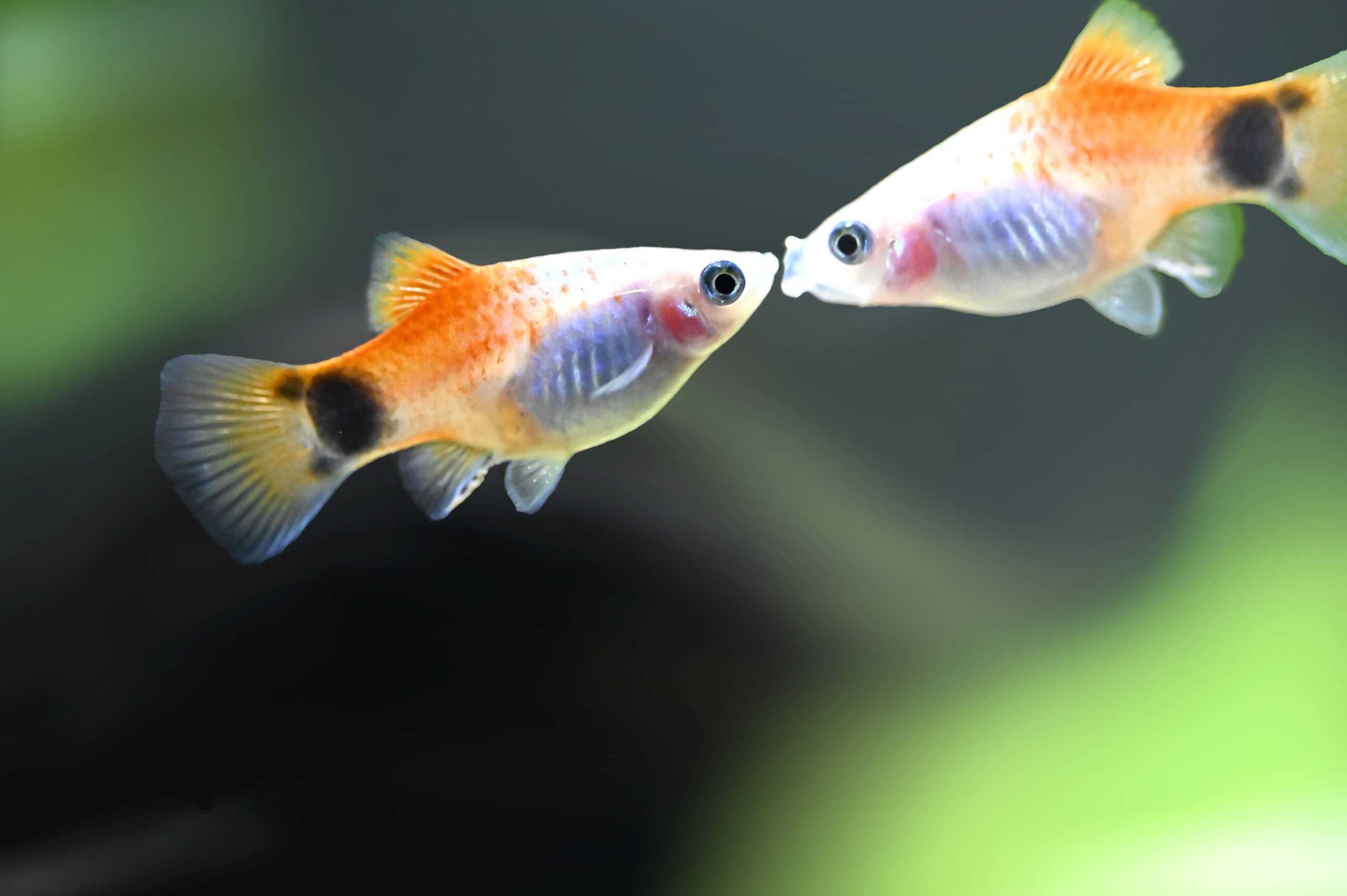
It is an incredibly discouraging experience for any fish keeper: you purchase a group of beautiful, active fancy guppies from the pet store, acclimate them carefully, and watch them swim happily around your tank. Then, within just a few days, you wake up to find multiple guppies floating at the surface or resting lifelessly on the gravel with no obvious signs of sickness.
Because guppies are widely marketed as the perfect, low-maintenance beginner fish, their sudden death can leave you feeling confused and defeated. You might think you did something completely wrong or that fish keeping is simply too difficult.
However, modern guppies are much more sensitive than the hardy wild guppies of the past. Decades of intensive commercial inbreeding have weakened their immune systems, making them highly vulnerable to minor changes in their environment. This guide breaks down the hidden biological reasons behind sudden guppy mortality, the common water chemistry mistakes that trigger fatal shock, and exactly how to stabilize your aquarium habitat to keep them alive.
The Top 4 Hidden Killers of Aquarium Guppies
When a guppy passes away overnight, the cause is almost always an invisible shift in their aquatic ecosystem rather than a slow-moving physical illness:
- Latent Ammonia and Nitrite Poisoning (New Tank Syndrome)
By far the number one killer of newly purchased guppies is an uncycled or unstable aquarium. Fish continuously release invisible waste into the water through their gills and digestion. If your tank does not have a fully established colony of beneficial nitrifying bacteria to consume this waste, it converts into highly toxic ammonia. Ammonia chemically burns a guppy’s delicate gills, cutting off their oxygen supply. Even if they survive the initial spike, the chemical damage causes permanent internal organ failure that claims their lives days later. - Osmotic Shock and Poor Mineral Levels
Guppies are hard water fish. In nature, they thrive in water that is packed with essential minerals like calcium, magnesium, and dissolved salts. When beginners house guppies in soft tap water or highly purified water, the fish cannot properly balance the fluids inside their own bodies. This structural struggle causes immense osmotic stress, destroying their kidneys and triggering sudden, unexplained death. - Genetic Inbreeding and Weak Immune Systems
Because fancy guppies are bred globally for specific tail shapes and vibrant colors, breeders frequently mate closely related fish. This mass inbreeding results in severe genetic degradation. Modern store-bought guppies possess fragile internal organs and highly compromised immune systems. A minor environmental stressor that a wild fish would easily ignore can cause a fancy guppy’s body to completely shut down. - Extreme Temperature Fluctuations
Guppies are tropical fish that require an incredibly stable climate. Their tiny bodies adjust their internal metabolism based entirely on the surrounding water temperature. If your aquarium lacks a reliable heater, or if it is positioned near a drafty window or air conditioner, the water temperature can swing drastically overnight. These rapid thermal shifts paralyze a guppy’s digestive tract and destroy their immune defense, leaving them open to fatal shock.
The Silent Warning Signs to Watch For
While guppies frequently seem to die without warning, they usually display subtle behavioral changes hours before they pass. Watch your aquarium daily for these critical red flags:
- Glass Hugging and Shimming: If your guppy stays locked in one place, rapidly rocking their body side to side without moving forward (shimming), or continuously swims frantically up and down the glass corners, they are experiencing extreme environmental stress or toxic water conditions.
- Clamped Fins: Healthy guppies always display their colorful dorsal and tail fins completely open. If a guppy tightly folds their fins against their body, it is a universal sign of physical discomfort, advanced stress, or an active bacterial infection.
- Hovering Near the Filter or Surface: When a guppy spends hours sitting directly at the top of the water line gasping for air, or hides permanently behind the filter intake tube, your aquarium water is dangerously low on dissolved oxygen or contains lethal levels of ammonia.
How to Stop the Sudden Deaths: A Step-by-Step Prevention Protocol
To protect your remaining guppies and ensure future additions thrive, implement this environmental stabilization framework:
- Verify Your Hardness Parameters
Never use pure reverse osmosis (RO) or distilled water for guppies unless you manually add minerals back into it. If your local tap water is naturally soft, add natural decorations to your tank layout that safely boost mineral content over time, such as crushed coral substrate, Texas holey rock, or small bags of aragonite sand placed inside your filter box. - Upgrade and Maintain Surface Agitation
Guppies require highly oxygenated water to combat respiratory stress. Ensure your filter output pushes hard enough against the surface of the water to create constant ripples and bubbles. This physical agitation drives toxic carbon dioxide gas out of the tank and forces fresh oxygen deep into the water column. - Ruthlessly Limit Daily Feeding
A guppy’s stomach is roughly the size of its tiny eye. Overfeeding is the fastest way to foul an aquarium. Feed your guppies only once per day, giving them an amount they can completely swallow within 45 seconds. Any flake or pellet that sinks to the gravel unconsumed will instantly rot, feeding dangerous pathogen blooms and triggering immediate toxic chemistry spikes. - Slow Down Your Acclimation Process
When bringing new guppies home, the water in the store bag is often completely different from your home aquarium. Never dump the fish straight in. Use a slow method: float the bag for 20 minutes to match the temperature, then add small half-cups of your tank water into the bag every 10 minutes for an hour before gently lifting the fish out with a net. This gives their internal systems time to safely adjust to your tank’s unique pH and mineral footprint.
Quick Guide to Guppy Environmental Needs
| Parameter | Ideal Target Level | Immediate Consequence of Poor Levels |
|---|---|---|
| Ammonia | 0.0 ppm | Gill burning, heavy gasping, and rapid mortality. |
| Water Hardness (GH) | 10 to 30 dGH (Hard) | Internal osmotic collapse and sudden organ failure. |
| Water Temperature | 74°F to 82°F (Stable) | Sluggish metabolism, clamped fins, and immune death. |
| pH Range | 6.8 to 7.8 | Acidic water burns scales; rapid shifts cause fatal shock. |