
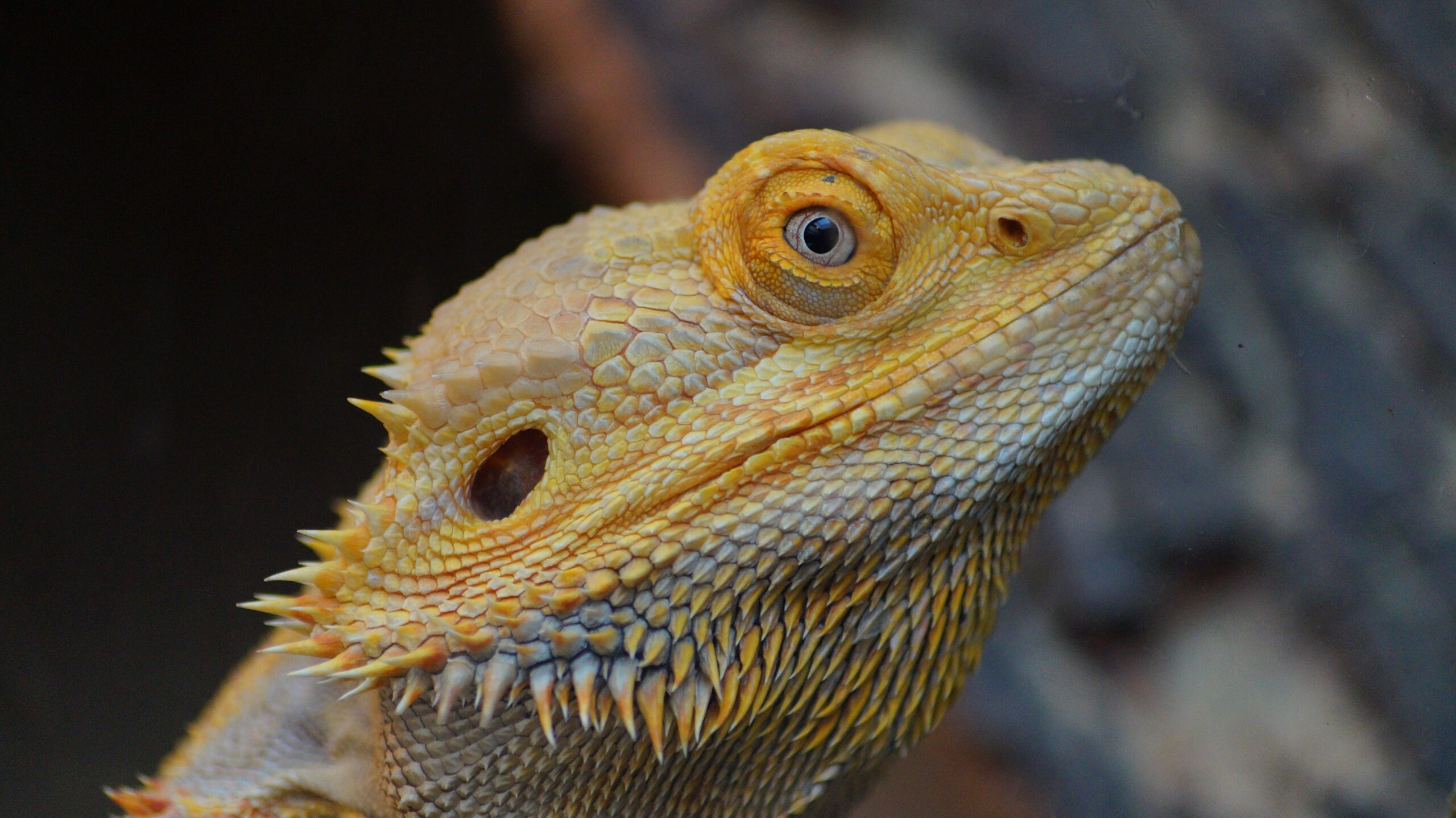
Bearded dragons have quickly risen to become the single most popular exotic pet in the entire world. With their calm temperaments, quirky head-bobbing behaviors, and prehistoric appearance, these Australian reptiles make absolutely fascinating companions. Unlike many other reptiles, bearded dragons often enjoy interacting with their human owners and can become incredibly docile.
However, many beginner reptile keepers run into severe trouble because a bearded dragon cannot survive on a standard pet setup. They have extremely rigid environmental requirements. If their heat, lighting, or diet is off by even a small amount, their health will rapidly decline.
This comprehensive guide breaks down the true cost of bearded dragon care, their non-negotiable habitat settings, and what you must feed them to ensure they live a long, healthy life.
The Non-Negotiable Bearded Dragon Habitat Setup
You cannot keep a bearded dragon in a small aquarium or a standard plastic tub. To replicate their natural Australian desert environment, your enclosure layout must meet these exact specifications:
- Tank Size (The 120-Gallon Standard)
While a tiny baby bearded dragon can temporarily live in a 40-gallon tank, they grow incredibly fast. An adult bearded dragon can reach up to 24 inches in length and requires a minimum enclosure size of 4 feet by 2 feet by 2 feet, which is exactly a 120-gallon tank. Providing this space is vital so the reptile can move around freely and regulate its body temperature. - The Ultimate Lighting Setup (UVB is Life)
Bearded dragons require specialized lighting to stay alive. Without it, their bodies cannot absorb calcium, leading to a horrific, fatal bone-softening condition called Metabolic Bone Disease (MBD).
- The UVB Tube: You must install a linear UVB tube light (specifically a T5 10.0 or 12.0 strength bulb) that spans two-thirds the length of the enclosure. Standard screw-in coil bulbs do not provide enough radiation and will cause long-term health failure.
- The Basking Bulb: Reptiles are cold-blooded and rely on external heat to digest their food. You need a heavy-duty halogen basking bulb to create a localized hot spot.
- Managing the Temperature Gradient
Your tank must have a hot side and a cool side so your lizard can move back and forth to control its body temperature:
- Basking Spot Temperature: 105°F to 110°F (40°C to 43°C)
- Ambient Cool Side Temperature: 75°F to 85°F (24°C to 29°C)
- Nighttime Temperature: Can safely drop to 65°F (18°C). If your home gets colder than that, you must use a Ceramic Heat Emitter that emits heat without light.
The Dynamic Diet: Baby vs. Adult Bearded Dragons
A bearded dragon’s nutritional needs shift drastically as they age. Feeding them the wrong proportions can cause severe obesity or dangerous developmental stunt growth.
- Baby Bearded Dragons (0 to 6 Months Old): Their bodies are growing rapidly, meaning they require a diet consisting of 80% live insects and 20% fresh leafy greens. They need to be fed live bugs two to three times every single day.
- Adult Bearded Dragons (Over 1 Year Old): Their metabolism slows down significantly. An adult requires 80% fresh leafy greens and only 20% live insects. Feeding an adult lizard bugs every day will cause severe liver damage and obesity.
Safe Live Insects: Dubia roaches, crickets, and black soldier fly larvae. Never feed them wild insects caught in your yard, as they carry deadly parasites and pesticides.
Safe Leafy Greens: Mustard greens, collard greens, turnip greens, and escarole. Never feed them iceberg lettuce, as it is pure water and causes severe diarrhea.
Quick Reference for Bearded Dragon Health Assessment
| Behavior or Appearance | What It Means | Immediate Action Step |
|---|---|---|
| Black beard and continuous glass surfing. | High stress, incorrect temperatures, or relocation anxiety. | Check your temperature gauges immediately with a digital thermometer. |
| Brittle, soft jaws or shaking limbs. | Advanced Metabolic Bone Disease from poor lighting. | Replace your UVB bulb immediately and schedule an emergency exotic vet visit. |
| Hiding in a cave for weeks during winter. | Brumation (the reptile version of hibernation). | Keep water fresh, stop feeding, and monitor their weight weekly. |
| White, cloudy, chalky skin peeling off. | Normal shedding process. | Provide a warm water bath to help loosen the skin safely; never pull it off yourself. |
© 2026 PetsFav. All Rights Reserved.
Disclaimer: The information on PetsFav is for educational and entertainment purposes only. We are not veterinarians, herpetologists, or licensed exotic medical professionals. The content on this site is not a substitute for professional exotic veterinary advice, diagnosis, or treatment. Reptiles and exotic pets have highly sensitive biological needs that vary heavily by species. PetsFav will not be held responsible or liable for any actions taken based on the information provided in our articles. Always consult a qualified exotic veterinarian regarding the specific health, habitat setup, or medical needs of your rep