
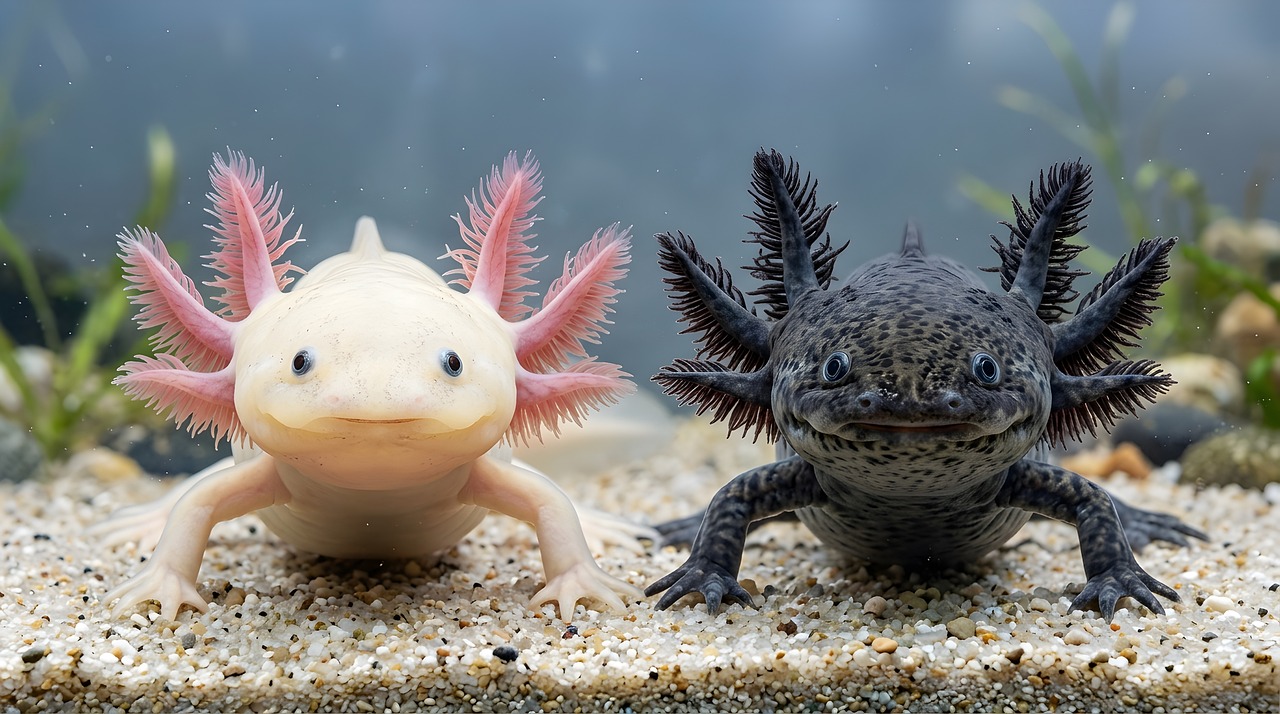
Axolotls have captured the hearts of pet owners worldwide. Known as the Mexican walking fish, these unique creatures are actually fully aquatic salamanders that spend their entire lives underwater. With their permanent smiling expressions and feathery external gills, they make incredibly fascinating, low-energy pets to watch.
However, many beginner keepers rush into buying an axolotl without understanding their highly specific biological needs. Unlike tropical aquarium fish, axolotls require freezing cold water, pristine water quality, and specific tank substrates. If their water gets even slightly too warm, their immune systems collapse.
This comprehensive guide breaks down the essential habitat rules, feeding requirements, and water parameters you need to maintain a healthy axolotl.
The Non-Negotiable Axolotl Aquarium Setup
Axolotls are delicate amphibians with soft, permeable skin instead of protective scales. Because they absorb everything from their environment through their skin, your aquarium layout must follow these strict rules:
- Tank Size and Shape
An adult axolotl can grow up to 12 inches in length and produces a significant amount of waste. You need a minimum tank size of 29 gallons or a 30-gallon long aquarium for a single axolotl. Long tanks are vastly superior to tall tanks because axolotls spend almost all their time walking along the bottom of the enclosure and require maximum floor space. - The Substrate Danger (Bare Bottom vs. Fine Sand)
Axolotls are vacuum feeders. They open their large mouths wide and suck in food along with whatever is resting on the bottom of the tank.
- The Danger of Gravel: Never use aquarium gravel, small pebbles, or loose stones. An axolotl will accidentally swallow them, causing a fatal internal blockage known as impaction.
- The Safe Choice: Keep the tank bottom completely bare (bare glass), or use a thin layer of ultra-fine aquarium sand that can safely pass through their digestive tract if swallowed.
- The Cold Water Rule (Why You Might Need a Chiller)
This is the most critical part of axolotl care. Axolotls are native to cold, high-altitude lakes in Mexico. They cannot survive in tropical fish tank setups.
- Ideal Temperature: 60°F to 64°F (15°C to 18°C).
- The Danger Zone: Any temperature consistently above 68°F (20°C) will cause chronic stress, fungal infections, and rapid death.
- Cooling Your Tank: You must keep the tank in a cold room, use aquarium cooling fans, or invest in an aquarium water chiller to keep the water temperature down during the summer months.
The Axolotl Diet: Carnivorous Feeding Habits
Axolotls are strict carnivores. They do not eat flakes, pellets, or aquarium plants. To keep them healthy, you must feed them a protein-rich diet:
- Nightcrawlers and Earthworms: This is the absolute best staple diet for an adult axolotl. Earthworms provide perfect, balanced nutrition. You must wash the worms in clean water and cut them into bite-sized pieces before feeding.
- Bloodworms: Frozen bloodworm cubes are an excellent treat for baby axolotls, but they lack enough calcium and nutrition to serve as a main staple food for adult axolotls.
- Feeder Fish Warning: Avoid feeding your axolotl live feeder fish. Fish often nip at the axolotl’s delicate, feathery gills and carry hidden parasites that can instantly infect your pet.
Quick Reference for Axolotl Health Assessment
| Behavior or Appearance | What It Means | Immediate Action Step |
|---|---|---|
| Gills curled forward tightly like a hook. | Extreme stress, high water flow, or toxic water chemistry. | Check your filter flow rate immediately; reduce the current using a spray bar. |
| White, cotton-like fluff growing on the gills. | Active columnaris or fungal infection triggered by warm water. | Check water temperature; lower it below 64°F and consult an exotic vet. |
| Floating at the surface, unable to sink. | Trapped air or minor constipation from overfeeding. | Stop feeding for two days; ensure water parameters are perfectly clean. |
| Forward curling tail tip. | General sign of physical pain or poor water quality. | Perform an immediate 30% water change using conditioned, cold tap water. |
© 2026 PetsFav. All Rights Reserved.
Disclaimer: The information on PetsFav is for educational and entertainment purposes only. We are not veterinarians, biologists, or licensed exotic medical professionals. The content on this site is not a substitute for professional exotic veterinary advice, diagnosis, or treatment. Amphibians and axolotls possess incredibly sensitive skin and biological systems that require strict environmental controls. PetsFav will not be held responsible or liable for any actions taken based on the information provided in our articles. Always consult a qualified exotic veterinarian regarding the specific health, habitat setup, or medical needs of your amphibian.