
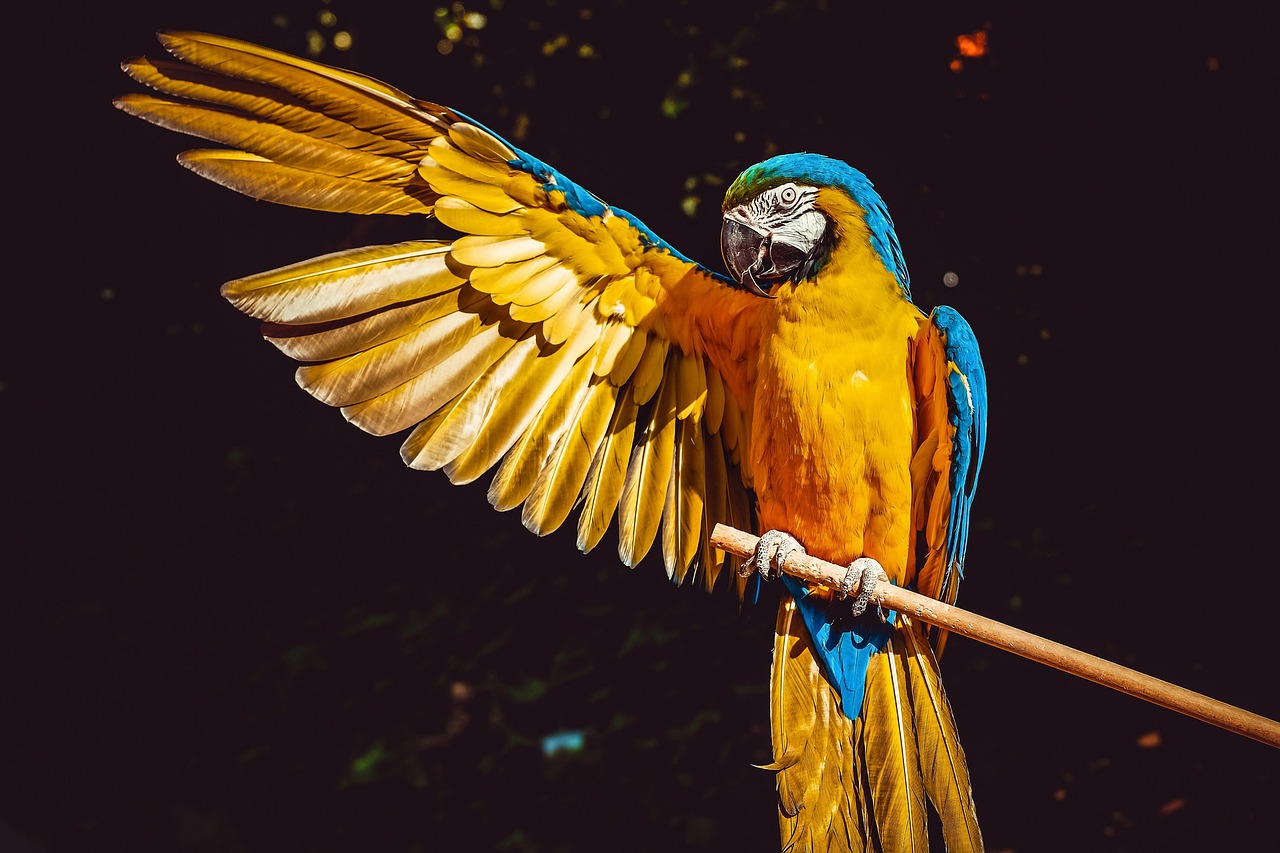
It is a deeply distressing sight for any bird owner: you notice a few loose feathers at the bottom of the cage, and within weeks, your small parrot—such as a budgie, cockatiel, lovebird, or green cheek conure—has picked away the feathers on their chest or under their wings, leaving patches of bare, red skin. No matter how many times you try to distract them, they return to preening obsessively, sometimes even chewing until they bleed.
Watching your bird damage themselves can make you feel helpless and overwhelmed. You might think your pet is sick or that you are failing as a bird parent.
Feather plucking (known scientifically as pterotillomania) is one of the most complex behavioral and medical problems in small parrots. In the wild, parrots are highly social, active animals that fly miles every day. When kept in a cage with minimal stimulation, their sensitive minds can easily short-circuit. This guide breaks down the physical and psychological root causes of feather plucking, how to identify hidden medical triggers, and the exact steps you must take to stop the cycle.
The Top 4 Root Causes of Feather Plucking
Healthy parrots naturally lose feathers during seasonal molts, but they should never leave bald spots or raw skin. True plucking happens when a bird intentionally tears out their own feathers due to specific internal or external stressors:
- Chronic Boredom and Lack of Mental Enrichment
Small parrots possess the emotional and cognitive intelligence of a human toddler. If a bird is left alone in a bare cage for eight to ten hours a day with nothing to do, they become profoundly bored. Without toys to shred or foraging activities to occupy their minds, they turn their energy inward. Preening is a natural daily behavior, but out of sheer boredom, it can quickly cross the line into a destructive, obsessive-compulsive self-mutilation habit. - Severe Sleep Deprivation and Ambient Stress
Parrots are highly sensitive to the natural light cycle. In the wild, they sleep from sunset to sunrise. In a human household, if a parrot’s cage is kept in a busy living room with the television blaring, bright lights on, or people walking around past midnight, the bird will suffer from chronic exhaustion. Sleep deprivation causes extreme irritability, skyrockets stress hormones, and frequently triggers severe plucking along the chest and neck. - Hidden Medical Conditions and Dietary Deficiencies
Never assume plucking is purely behavioral until you rule out internal health issues. An improper diet consisting entirely of dry seeds lacks essential vitamins, particularly Vitamin A and calcium. This malnutrition causes dry, intensely itchy skin, making the bird pluck just to find relief from the irritation. Additionally, internal issues like liver disease, heavy metal poisoning from toxic cage toys, or skin infections can cause localized pain, prompting the bird to chew on the feathers directly over the hurting organ. - Separation Anxiety and Hormonal Frustration
Small parrots are flock animals that form tight, lifelong bonds with their partners or human caretakers. If your schedule changes suddenly and you spend less time with your bird, the sudden isolation can trigger severe separation anxiety. Furthermore, when a small parrot reaches sexual maturity, a lack of an appropriate outlet combined with spring weather cues can cause intense hormonal frustration, leading them to pluck out feathers to line a nonexistent nest.
How to Tell the Difference: Molting vs. Plucking
Before you panic, check your bird’s body patterns to ensure they aren’t just going through a heavy seasonal molt:
- Normal Molting: Feathers fall out cleanly from all over the body, including the head. You will see new feathers encased in white, protective tubes (pinfeathers) growing back in within days. The bird remains energetic and there are absolutely no bare skin patches.
- Destructive Plucking: Bald patches appear exclusively on areas the bird can reach with its beak (the chest, belly, shoulders, and legs). The feathers on top of the head remain perfectly full and untouched because the bird cannot physically reach them. The skin underneath is often red, irritated, or scabbed.
How to Break the Plucking Cycle: A Step-by-Step Restoration Plan
Stopping a plucker requires changing their entire environment. Follow this systematic approach to help your bird heal:
- Guarantee a Strict 12-Hour Sleep Schedule
Move your parrot’s cage to a quiet room at night, or use a heavy, light-blocking breathable fabric cover to completely isolate the cage. Ensure your small parrot gets 12 full hours of uninterrupted, pitch-black darkness and total silence every single night to reset their circadian rhythm and lower their baseline cortisol stress levels. - Transition from Seeds to a Balanced Pellet Diet
If your bird eats only seeds, gradually transition them to high-quality compressed bird pellets, fresh leafy green vegetables, and small amounts of fruit. Mix a few drops of pure organic coconut oil into their food to help soothe their dry, flaky skin from the inside out, reducing the physical urge to scratch and pick. - Implement Foraging and Destruction Toys
Parrots spend up to 70% of their wild lives searching for food. If your bird gets their food served in a plain open bowl, they finish eating in five minutes and have nothing to do all day. Swap their regular food bowls for interactive foraging toys where they must chew through paper, untie safe sisal knots, or spin a wheel to earn their meals. Provide plenty of safe, soft wood toys (like balsa wood, yucca, or cork) that they can safely shred to pieces instead of shredding their own feathers. - Provide Daily Mists and Visual Freedom
Mist your parrot daily with room-temperature water using a clean spray bottle. Wetting the feathers encourages normal, healthy preening behaviors because it takes them longer to dry and smooth out each feather cleanly, which distracts them from pulling. Keep the cage near a window with active outside views, but ensure they have a covered corner inside the cage where they can hide if they feel startled by outdoor predators.
Quick Reference for Small Parrot Environmental Settings
| Environmental Factor | Correct Healthy Setup | Dangerous Stress Setup |
|---|---|---|
| Daily Sleep | 12 hours of total darkness and silence. | Keeping cage in a lit living room until late night. |
| Primary Diet | 70% Pellets, 20% fresh veggies, 10% seeds. | 100% loose seed mix and sugary honey sticks. |
| Cage Activities | Destructible paper, cardboard, and foraging wheels. | Plastic toys, mirrors, and no shreddable materials. |
| Bathing Routine | Light water misting 3 to 4 times a week. | Letting skin stay completely dry and dusty for months. |
2026 PetsFav. All Rights Reserved.
Disclaimer: The information on PetsFav is for educational and entertainment purposes only. We are not veterinarians or medical professionals. The content on this site is not a substitute for professional veterinary advice, diagnosis, or treatment. PetsFav will not be held responsible or liable for any actions taken based on the information provided in our articles. Always consult a qualified veterinarian regarding the health, medical needs, or safety of your pet.